Can Uganda’s Universal Loan Checker Reduce Mobile Money Loan Defaults?

Bank of Uganda data shows microloan defaults in the country increased from 16% in 2017 to more than 22% by 2021. By late 2024 and early 2025, over 27% of microfinance loans faced repayment challenges, with household loan defaults rising 14.6% year on year.
Digital credit, largely issued through telecom-led channels, now accounts for borrowing by roughly 59% of loan users.
The increase in defaults has prompted lenders and regulators to focus on borrowers taking multiple loans across networks without disclosing existing debt.
Uganda has previously implemented measures such as unified credit scoring tied to National Identification Numbers and expanded reporting of mobile money defaults to credit reference bureaus.
The latest initiative is the Universal Loan Checker, launched in 2026 by gnuGrid CRB, Uganda’s first indigenous credit reference bureau.
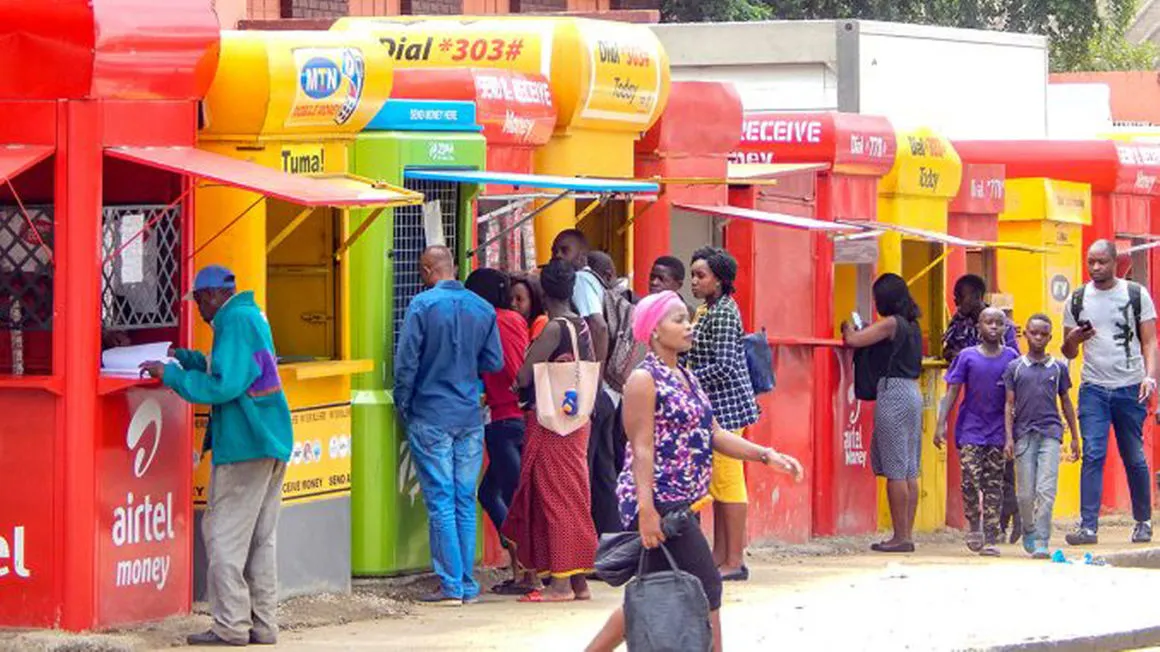
The system allows lenders to view a borrower’s outstanding digital loans across both MTN MoMo and Airtel Money in real time, linking all obligations to a single identity under the national ID system.
Previously, most lenders could only assess exposure within their own networks, enabling borrowers to accumulate multiple loans across platforms, increasing repayment pressure and default risk. Consolidated data now allows lenders to identify borrowers already carrying heavy obligations before issuing additional credit.
The Universal Loan Checker changes underwriting decisions for lenders. Borrowers with substantial exposure are more likely to be declined or offered smaller loans, while those with consistent repayment histories can be approved faster and at lower cost.
By screening out high-risk borrowers, the system aims to reduce portfolio stress and limit repeated rollovers, which have contributed to rising default rates.
The tool also influences borrower behavior. Because credit is tied to a national ID rather than a SIM card, defaults follow borrowers across platforms, reducing the effectiveness of switching numbers to avoid repayment, a practice that has historically contributed to high default rates in Uganda’s digital lending market.
Borrowers benefit as well. Consolidated credit profiles allow users to track total obligations and repayment history across networks, helping them manage borrowing limits and repayment schedules.
For individuals without formal banking histories, such as small-scale traders, gig workers, and migrants, mobile transaction data now contributes to a continuous and verifiable credit record, potentially improving access to responsible lending.
Jefferson Wachira is a writer at Africa Digest News, specializing in banking and finance trends, and their impact on African economies.