Why Safaricom’s M-PESA eSIM Feature Remains Out of Reach for Most Kenyans

Safaricom’s M-PESA Super App promises a seamless digital future, including the ability to download and activate an eSIM directly through the platform. For the vast majority of its more than 30 million active users, however, that promise remains out of reach.
Kenya’s smartphone market is dominated by budget devices. The overwhelming majority of users own Android phones priced between KES 5,000 and KES 20,000 (roughly $40–$150). Brands such as Tecno, Infinix, itel and entry-level Samsung A-series models control this segment. None of these sub-$200 devices support eSIM technology.
M-Pesa eSIM compatibility is confined to premium hardware: Apple iPhones (XR and newer), Samsung’s S-series, Z Flip and Z Fold lines, and Google Pixel devices. These phones typically retail from KES 60,000 to well over KES 150,000, which is far beyond the means of the average M-PESA customer.
Even Safaricom’s own device financing program, Maisha Ni Digital (commonly known as “Lipia Mdogo Mdogo”), does not bridge the gap. The initiative promotes affordable Neon 4G and 5G smartphones designed to migrate feature-phone users onto the Super App. Those devices, however, lack the hardware architecture required for eSIM support.
Why the Limitation Is Soft-Pedaled
Safaricom’s marketing materials emphasize the convenience of digital SIM activation through the Super App. Analysts and industry observers note that the company’s strategy appears focused more on long-term positioning than on immediate mass adoption.
Promoting eSIM capability allows Safaricom to present itself as a technology pioneer aligned with global fintech standards, even though only a small percentage of its user base can currently use the feature.
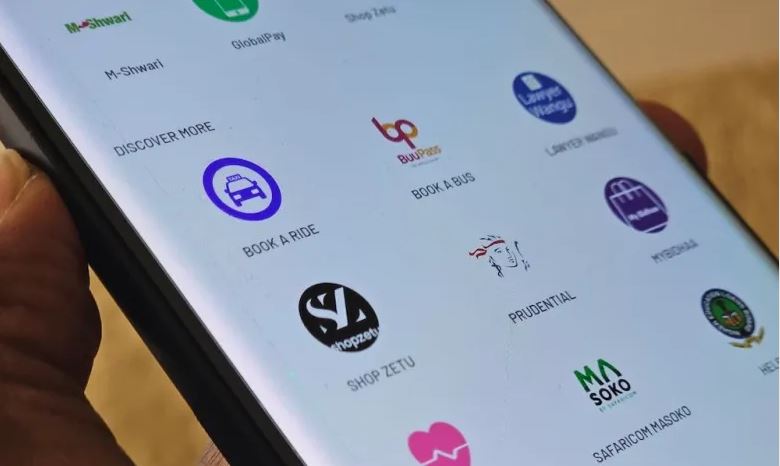
The Super App is built as an all-in-one platform encompassing mini-apps, ticketing, utility payments and savings tools. Including eSIM activation contributes to feature completeness and future-proofs the ecosystem rather than driving high-volume uptake today.
There is also an aspirational element. Advertising premium features can attract tech-savvy, higher-income users who typically generate greater average revenue per user.