Shiriki Pay Eases Payments, but M-PESA Sponsors Face Financial and Operational Risks

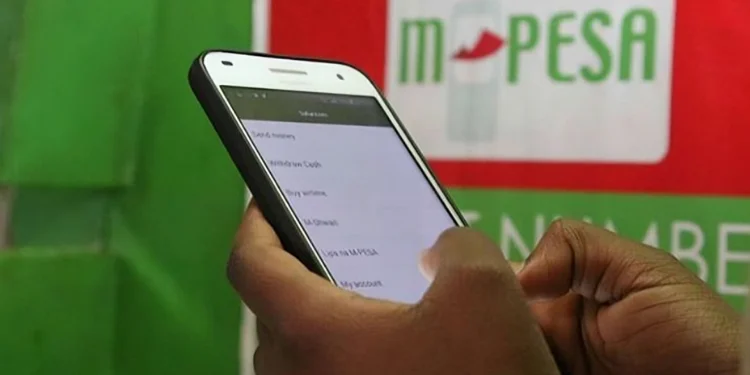
Safaricom’s Shiriki Pay feature on the M-PESA platform allows account holders to delegate spending to family members, domestic staff, or small business employees.
The system, designed to provide flexibility, effectively turns a user’s mobile wallet into a “shared account” where beneficiaries can spend up to a monthly limit set by the Sponsor.
For example, a parent might allocate KSh 5,000 for a university student to cover rent and groceries, or a small business owner might give a shop attendant KSh 10,000 to purchase stock.
While it streamlines routine transactions, it places substantial responsibility and risk on the account holder.
Real-Time Spending and Limited Oversight
Transactions under Shiriki Pay are deducted in real time from the Sponsor’s main M-PESA balance. Beneficiaries do not need the Sponsor’s phone or PIN to make payments, and monthly caps are enforced automatically.
Every transaction triggers an SMS notification, but beyond that, Sponsors lack analytical tools or dashboards to track patterns, categorize expenses, or monitor cumulative impact.
For instance, if a domestic worker spends KSh 1,500 at a supermarket on groceries, the Sponsor may only see the notification but cannot immediately analyze whether the expenditure aligns with household budgets.
The absence of a separate sub-wallet means that any spending by beneficiaries immediately affects the Sponsor’s liquidity for personal or business needs, leaving little margin for error.
Typical Uses and Operational Risks
Most beneficiaries use the service for essential payments, including utility bills, groceries, airtime purchases, and occasional peer-to-peer transfers.
A practical example is a parent authorizing a child to pay their school’s Lipa Na M-PESA fees directly, or a small business employee paying a supplier via Paybill.
While this reduces the administrative burden of sending cash repeatedly, it also transfers operational risks to the Sponsor. Transactions cannot be reversed, meaning any errors or unauthorized spending, such as a shop attendant accidentally paying double for goods, are the Sponsor’s responsibility.
In addition, transaction fees for all payments are charged to the Sponsor, not the beneficiary, further eroding the available balance.
Structural Limitations Intensify Risk
The feature’s structural limitations amplify these risks. A Sponsor can authorize only two beneficiaries at a time, which may be insufficient for larger households or businesses.
For example, a household with two children and a domestic worker would need to rotate access between beneficiaries or choose who has priority. Monthly spending caps do not roll over, so unspent allowances are effectively lost.
Combined with the real-time deduction mechanism, this can create situations where a beneficiary’s legitimate expense inadvertently blocks other personal or business payments due to insufficient funds.
A small business owner who has allocated KSh 10,000 for inventory may find that a KSh 6,000 purchase by one employee leaves insufficient balance to pay another supplier, potentially disrupting operations.
Legal and Financial Liability
From a legal and financial perspective, Sponsors remain fully liable for all activity within the Shiriki Pay arrangement. The convenience afforded to beneficiaries comes with operational friction for the account holder, who must constantly monitor usage, adjust limits as needed, and ensure sufficient liquidity.
Without detailed reporting tools, even vigilant Sponsors may struggle to reconcile cumulative spending, leaving them exposed to errors or disputes.
For instance, if a beneficiary misuses funds to buy airtime or transfer money to third parties without the Sponsor’s knowledge, the account holder bears full responsibility.
Jefferson Wachira is a writer at Africa Digest News, specializing in banking and finance trends, and their impact on African economies.