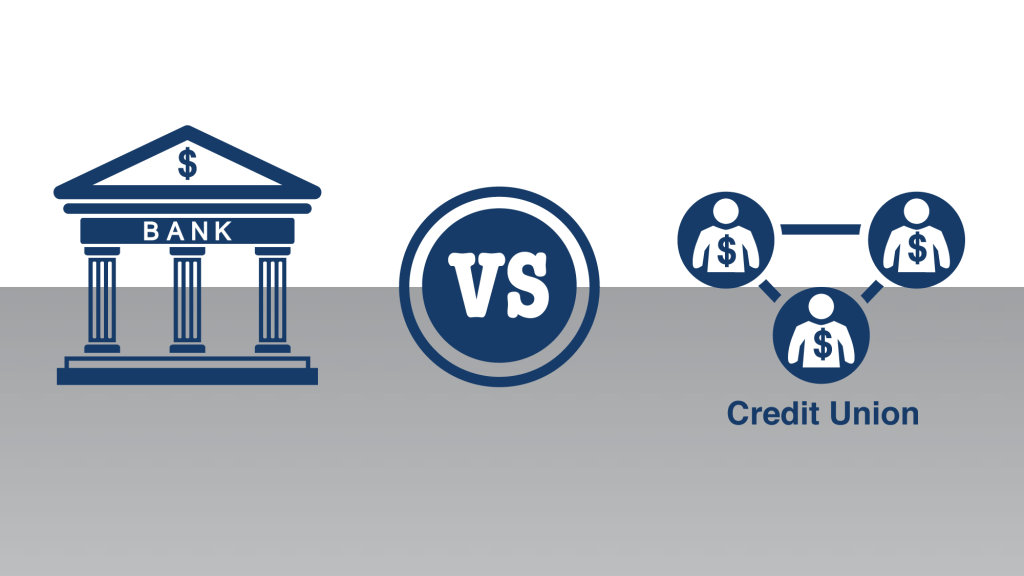
Key Differences Between SACCOs and Banks Every Saver and Borrower Should Know

Banks remain the most widely used financial institutions in Kenya, but SACCOs continue to attract millions of savers seeking affordable credit and better returns on their savings.
According to financial inclusion data, 52.5% of Kenyan adults own and use a traditional bank account. The figure rises further when mobile-linked banking platforms are included.
Competition among lenders has also increased, with data from the Kenya Bankers Association showing that 49.5% of bank customers maintain accounts with two or three different banks to separate their expenses, savings, and business finances.
Meanwhile, about 11.7% of Kenyan adults own shares and accounts in SACCOs. Although the percentage is lower than bank account ownership, it still represents millions of members across the country.
SACCO participation is particularly common among educated and formally employed Kenyans. Around 26% of people with college or university education belong to SACCOs, compared to 7.8% of those with primary-level education.
One notable difference is account activity. Nearly three-quarters (74.9%) of SACCO members use their accounts every month for savings or loan repayments. Among bank account holders, monthly usage stands at 58.7%, indicating that many bank accounts remain inactive despite being open.
For Kenyans choosing where to save, borrow, or invest, understanding these differences between SACCOs and banks can help them make informed financial decisions:
-
Purpose and Ownership
SACCOs are member-owned financial cooperatives established to improve the financial well-being of their members. Individuals who join a SACCO purchase shares, making them part-owners of the institution.
Most SACCOs are formed around a common bond such as employment, profession, location, or business activity. Members participate in annual general meetings and have voting rights regardless of the amount they have saved.
The primary objective of a SACCO is to mobilize savings and provide affordable credit to members rather than generate profits for external investors.
Banks operate as commercial businesses whose primary objective is to generate returns for shareholders.
Ownership rests with investors who purchase shares in the institution, either privately or through stock exchanges. Customers who open accounts and deposit money do not become owners of the bank.
Banks earn revenue through lending, transaction fees, foreign exchange services, investments, and other financial products.
-
Who Can Join
Membership requirements vary from one SACCO to another.
Traditionally, SACCOs admit individuals who share a common bond, such as teachers, government employees, farmers, transport operators, or workers within a particular organization. Prospective members are typically required to complete an application process, pay a registration fee, and purchase minimum shares.
Although many SACCOs have expanded membership to the wider public, joining still requires formal registration as a member.
Banks are generally open to anyone who meets account-opening requirements.
Most banks allow customers to open accounts using a national identification card, passport, or other approved documentation. Many institutions also offer digital account opening through mobile applications and online platforms.
Unlike SACCOs, banks do not require customers to become members or purchase shares before accessing services.
-
SACCO Loans vs Bank Loans in Kenya
One of the biggest attractions of SACCO membership is access to relatively affordable loans.
Most SACCOs provide loans based on a member’s savings history and share contributions. Interest rates are often lower than those charged by commercial banks, with many SACCOs charging around 12% annually on a reducing balance basis.
Because SACCOs are designed to serve members, lending terms tend to be more predictable and less affected by short-term market fluctuations.
In addition, many SACCOs offer loan products without requiring traditional collateral, relying instead on member guarantees and accumulated savings.
Banks provide a wider range of loan products, including personal loans, mortgages, asset financing, business loans, and overdrafts.
Interest rates are influenced by market conditions and monetary policy decisions issued by the Central Bank of Kenya. As a result, borrowing costs can rise when interest rates increase.
Banks may also charge additional costs such as processing fees, insurance premiums, valuation fees, legal charges, and account maintenance costs depending on the loan product.
However, banks often have larger lending capacity, making them suitable for customers seeking substantial financing.
-
Dividends and Returns on Savings
SACCO members benefit from annual dividends and interest on deposits.
At the end of each financial year, a SACCO distributes part of its surplus earnings to members based on their shareholding and savings levels. Some leading SACCOs in Kenya have consistently paid dividend rates ranging between 10% and 15%. These returns can make SACCOs attractive for individuals focused on long-term wealth accumulation.
Banks do not distribute profits to ordinary depositors.
Customers earn interest depending on the type of account they hold, but returns on standard savings accounts are often relatively low. In some cases, account maintenance charges may reduce the overall earnings generated from deposits.
Profits generated by banks are distributed to shareholders through dividends or retained for future business growth.
-
Regulation and Safety of Deposits
Deposit-taking SACCOs are regulated by the Sacco Societies Regulatory Authority (SASRA), which oversees compliance, governance, capital requirements, and risk management.
The regulator monitors licensed SACCOs to help safeguard members’ deposits and maintain stability within the cooperative sector.
Commercial banks operate under the supervision of the Central Bank of Kenya (CBK).
The CBK regulates banking operations, liquidity requirements, foreign exchange activities, payment systems, and consumer protection standards. Banking regulations are generally more extensive because banks play a central role in the country’s financial system.
Jefferson Wachira is a writer at Africa Digest News, specializing in banking and finance trends, and their impact on African economies.