Employer Sponsored vs Bank Sponsored Salary Advances in Kenya: Key Differences Explained

Salary advances in Kenya have become a common short-term financial solution for employees dealing with mid-month expenses, emergencies, rent obligations, transport costs, or utility bills before payday.
In many workplaces, salary advances are now part of employee benefits, while banks and fintech platforms offer them as structured credit products.
At the core, salary advances allow workers to access part of their earned income early. However, the structure, cost, and repayment terms differ depending on whether the facility is offered by an employer or a bank.
Understanding these differences helps employees make informed borrowing decisions and avoid unnecessary financial strain.
What Is a Salary Advance?
A salary advance is a short-term arrangement that allows an employee to access a portion of their earned salary before the official payday. In Kenya, salary advance products are widely used across both formal and informal employment sectors.
There are two main categories:
- employer sponsored salary advances
- bank sponsored salary advances
Each operates under different rules, funding structures, and repayment systems.
Employer-Sponsored Salary Advances
Employer sponsored salary advances in Kenya are provided directly by an employer as a workplace benefit. In this arrangement, the employer funds the advance from company payroll resources or internal cash flow, effectively paying the employee early for work already completed.
Many companies in Kenya also use Earned Wage Access systems, which allow employees to request a salary advance through digital platforms or mobile apps.
-
Source of Funds
With employer sponsored salary advances, the money comes directly from the employer. The advance is deducted later through payroll, meaning the employer handles both disbursement and recovery.
-
Interest and Fees
Most employer sponsored salary advances are interest-free. In many organizations, employees do not pay any additional cost. However, some systems may charge small processing fees ranging from KSh 100 to KSh 300, depending on the platform used.
Compared to other salary advances in Kenya, this option is generally more affordable.
- Repayment Process
Repayment for employer sponsored salary advances is automated through payroll deductions. When payday arrives, the employer subtracts the advanced amount before releasing the net salary to the employee.
This reduces the risk of missed repayments since no manual repayment is required.
- Credit Check
Employer sponsored salary advances usually do not require a CRB check. Employers rely on internal HR records such as employment status, salary history, and performance. This means an employee’s credit score does not affect eligibility.
- Eligibility
Eligibility is based on internal company rules. Most employers require:
- completion of probation period (typically 3–6 months)
- consistent employment record
- compliance with HR policies
Bank-Sponsored Salary Advances
Bank sponsored salary advances in Kenya are credit facilities offered by financial institutions to salaried employees. Unlike employer arrangements, the funds come from the bank, not the employer.
Banks treat this product as a short-term loan or overdraft facility linked to the borrower’s salary account.
- Source of Funds
With bank sponsored salary advances, the bank provides the funds using its own lending capital. The employer only facilitates salary payments into the employee’s bank account.
- Interest and Fees
Bank sponsored salary advances attract interest and additional charges. These may include:
- processing fees
- facility fees
- interest charges
- late payment penalties
If repayment is delayed, costs may increase quickly, making this a more expensive form of salary advance compared to employer-sponsored options.
- Repayment Process
Repayment is automatically deducted once salary is credited to the account. Banks set standing instructions to recover the loan immediately after salary hits the account.
If salary is delayed or insufficient, the bank may apply overdraft or failed transaction fees.
- Credit Check
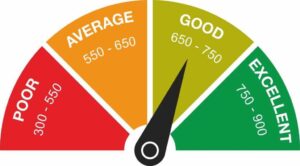
Banks conduct credit checks through Credit Reference Bureaus (CRBs). A borrower’s credit score plays a key role in determining approval, loan limit, and interest rate.
A poor credit history can lead to rejection or higher borrowing costs when applying for bank sponsored salary advances.
- Eligibility
To qualify, employees are usually required to:
- receive a regular salary through the bank
- maintain salary inflows for 3–6 months
- demonstrate stable income
- meet minimum income requirements
Key Differences between Employer and Bank Salary Advances
When comparing salary advances in Kenya, the differences become clear in several areas:
- Cost of Borrowing
Employer sponsored salary advances are often low-cost or interest-free. Bank sponsored salary advances, on the other hand, include interest and various fees that increase total repayment amounts.
- Credit Impact
Employer sponsored salary advances do not affect credit scores since they are not reported to CRBs. Bank sponsored salary advances are reported, meaning timely repayment can improve credit standing, while missed payments can result in negative listing.
- Approval Process
Employer-based salary advance approval depends on HR policies and employment status. Bank-based approval depends on credit score, salary history, and banking relationship.
- Repayment Method
Employer advances are recovered through payroll deductions. Bank advances are recovered directly from salary deposits in the employee’s account.
Jefferson Wachira is a writer at Africa Digest News, specializing in banking and finance trends, and their impact on African economies.