Ethiopia Pushes Private-Sector Growth With New Financial, Investment and Market Reforms

Ethiopia is pivoting from short-term economic stabilization toward ambitious structural changes aimed at unlocking private-sector growth, expanding financial access, and modernizing its capital markets, officials said at the Ethiopia Finance Forum 2026.
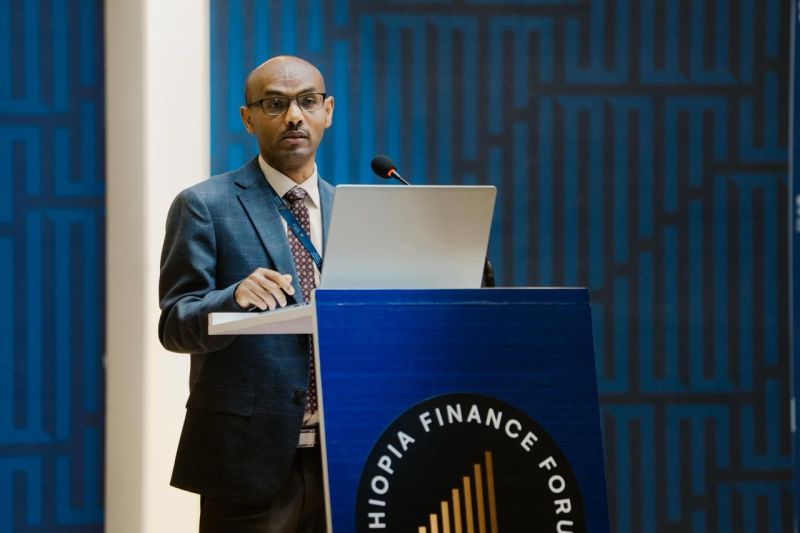
The three-day gathering, held from September 29 to October 1 at the Adwa Victory Memorial Museum in Addis Ababa and convened by the National Bank of Ethiopia (NBE) with the Ministry of Finance, brought together policymakers, International Monetary Fund and World Bank representatives, bankers, investors, and tech innovators under the theme “From Reform to Results.”
Organizers framed the event as a key platform for coordinating Ethiopia’s transition from a state-dominated model to a more competitive, market-oriented economy.
Inflation progress and next steps
Policymakers highlighted early gains from coordinated monetary and fiscal measures. Planning and Development Minister Fitsum Assefa noted that average annual inflation has fallen from more than 26% to just above 16%.
Finance Minister Ahmed Shide and representatives from the IMF and International Finance Corporation stressed the need to maintain momentum, pursue longer-term fiscal consolidation, and move toward a market-based exchange rate to support private investment.
Expanding access and closing gender gaps
The NBE launched the draft National Financial Inclusion Strategy III, a five-year plan focused on reaching rural communities, youth, and micro, small, and medium enterprises.
Panels also examined persistent gender disparities through tools such as the Women’s Financial Inclusion Scorecard and the NEWFin initiative. Officials repeated calls to raise the number of women in senior management and board roles across the financial sector.
New investment vehicles and banking openness
The Ethiopian Capital Market Authority’s Directive No. 1150/2026 drew significant attention. The rule creates a legal framework for six collective investment schemes: money market funds, mutual funds, real estate investment trusts (REITs), exchange-traded funds (ETFs), alternative investment funds, and special designation funds.
Discussions also explored conditions for allowing foreign strategic investors into domestic banks while safeguarding stability and competition.
Digital infrastructure and regional links
Presentations emphasized building digital public infrastructure—combining digital identity, trusted data exchange, and interoperable retail payments—to reduce risks in financing small businesses.
Integration of the Pan-African Payment and Settlement System (PAPSS) with Ethiopia’s national switch, EthSwitch, was presented as a practical step to boost cross-border trade and regional financial inclusion.
Insurance, housing, and skills
Officials outlined plans to shift insurance supervision from the NBE to a dedicated Ethiopian Insurance Regulatory Commission, with goals of stronger consumer protection and growth in micro-insurance products such as agricultural coverage.
On housing, the NBE proposed a dual-pillar approach featuring a National Housing Fund and a Mortgage Refinance Company to expand affordable mortgage finance and attract private capital.
The forum also marked the official rebranding of the Ethiopia Institute of Financial Studies as the Ethiopia Academy of Finance, intended to upgrade training, research, and professional development for the sector’s workforce.