6 Credit Mistakes That Can Ruin Your Financial Future in Kenya

A single financial mistake in Kenya can damage your credit profile for years, locking you out of loans, increasing borrowing costs, and even affecting job opportunities.
Many Kenyans only discover the importance of maintaining a healthy credit score after being denied financing for a car, mortgage, business expansion, or emergency loan. Others realize too late that guaranteeing a friend’s SACCO loan or defaulting on a small mobile app balance carries long-term financial consequences.
With digital lending becoming more accessible through mobile apps and mobile money platforms, avoiding common credit mistakes has become more important than ever.
Here are six major credit mistakes that could destroy your financial standing in Kenya.
-
Defaulting on Small Digital Loans
Many borrowers treat mobile loans such as Tala, Branch, Zenka, and Mkopo Rahisi casually because the amounts involved are small. Others assume that failing to repay a Fuliza overdraft, M-Shwari loan, or KCB M-Pesa balance of KES 500 or KES 1,000 is not serious enough to affect their future.
However, licensed lenders in Kenya are required to submit borrower data to Credit Reference Bureaus (CRBs) under Central Bank of Kenya regulations.
Once you miss repayments beyond the lender’s allowed period, your account may receive a negative listing. The size of the loan does not matter. Whether the unpaid amount is KES 500 or KES 500,000, the system still categorizes you as a risky borrower.
A negative listing can lower your credit score and affect your ability to access future financing.
Some of the consequences include:
- Automatic loan rejections
- Higher interest rates
- Reduced borrowing limits
- Difficulty accessing asset financing
- Delays in loan approvals
Even after repayment, some lenders may continue viewing you as high-risk because of your previous repayment behavior.
-
Falling Into the Mobile Loan Debt Spiral
One of the most dangerous credit mistakes among young professionals and small business owners in Kenya is taking one mobile loan to repay another.
For example, a borrower may use funds from one lending app to clear an overdue balance on another app, then borrow again elsewhere to settle the second loan.
This creates a debt spiral that becomes increasingly difficult to escape.
Unlike traditional bank loans that use annual interest structures, many digital lenders charge monthly facility fees or monthly interest rates that can accumulate quickly. In some cases, the effective annual borrowing cost becomes extremely expensive.
The problem worsens when borrowers repeatedly roll over loans instead of reducing the original debt.
Frequent borrowing across multiple digital platforms can also damage your financial profile and lower your credit score. Financial institutions analyze transaction behavior and may interpret repeated short-term borrowing as a sign of financial distress.
This can affect future applications for:
- Car loans
- Mortgages
- Business financing
- Salary advances
- Credit cards
-
Blindly Guaranteeing SACCO Loans
Guaranteeing a SACCO loan for a friend, colleague, or relative is often viewed as a routine favor. In reality, it is a legally binding financial commitment.
In most SACCOs, guarantors provide security for members seeking loans beyond their savings contributions.
By signing as a guarantor in Kenya, you agree that your savings, shares, or assets may be used to recover the debt if the borrower defaults.
Problems arise when:
- The borrower loses employment
- The borrower disappears
- The borrower refuses to pay
- Insurance does not cover the loan
- The borrower dies without adequate protection
Once the loan becomes non-performing, the SACCO may freeze your deposits and block you from accessing your own credit facilities.
In severe cases, the debt may be forwarded to CRBs or debt collectors, resulting in a negative listing that damages your personal credit score despite never using the money yourself.
Before guaranteeing any SACCO loan, it is important to:
- Understand the borrower’s repayment ability
- Confirm the loan amount and repayment period
- Read all guarantee terms carefully
- Avoid guaranteeing amounts you cannot comfortably repay
-
Spamming Multiple Loan Applications
Financial emergencies push many borrowers into applying for loans from multiple institutions at the same time.
For instance, someone may apply for financing from Equity Bank, NCBA Loop, several mobile apps, and SACCOs within a few hours hoping that at least one request gets approved.
In the financial sector, this behavior is known as credit hungriness.
Every formal loan application triggers a hard inquiry, meaning the lender checks your CRB report before making a lending decision.
Each hard inquiry is recorded on your credit history.
When multiple lenders access your report within a short period, it may indicate:
- Financial desperation
- Cash flow problems
- Overdependence on debt
- Increased default risk
Even borrowers with no previous defaults can experience a drop in their credit score because of excessive loan applications.
Instead of applying everywhere at once, financial advisers recommend:
- Comparing lenders first
- Applying selectively
- Spacing out applications
- Borrowing only when necessary
-
Ignoring Your CRB Report
Many Kenyans only think about CRBs after being denied a loan. However, your CRB report should be monitored regularly just like a bank statement.
Credit reports do not only contain default records. They also track positive repayment history, loan balances, and active credit facilities.
Failing to monitor your CRB status exposes you to several risks. A lender may fail to update your account after you clear a loan, leaving your profile showing an unpaid balance or active negative listing.
Fraudsters may also use stolen IDs or mobile details to register loans using your information. If you never check your report, you may discover the problem only after a bank rejects your application.
Kenyan law allows citizens to access at least one free CRB report annually from licensed bureaus such as TransUnion, Metropol, and Creditinfo.
Checking your report regularly helps you:
- Detect fraud early
- Correct errors quickly
- Monitor your financial reputation
- Improve borrowing eligibility
- Protect your credit score
-
Borrowing for Lifestyle Consumption
Using debt to finance luxury spending is one of the fastest ways to create long-term financial pressure.
Some borrowers take loans or use credit cards to fund:
- Expensive weddings
- Smartphones and electronics
- Vacation travel
- Nightlife spending
- Designer fashion
- Entertainment expenses
The problem with consumption debt is that it does not generate income.
Unlike business loans or investment financing, lifestyle borrowing creates repayment obligations without producing cash flow. Once monthly deductions begin, many borrowers struggle to manage rent, school fees, transport, and household expenses.
If income reduces unexpectedly or living costs rise, borrowers often turn to emergency loans to survive, creating a cycle of debt dependence that may eventually lead to a negative listing.
Financial experts generally advise borrowers to prioritize debt for:
- Business expansion
- Education
- Farming investments
- Asset acquisition
- Income-generating opportunities
Why Your Credit Score Matters in Kenya
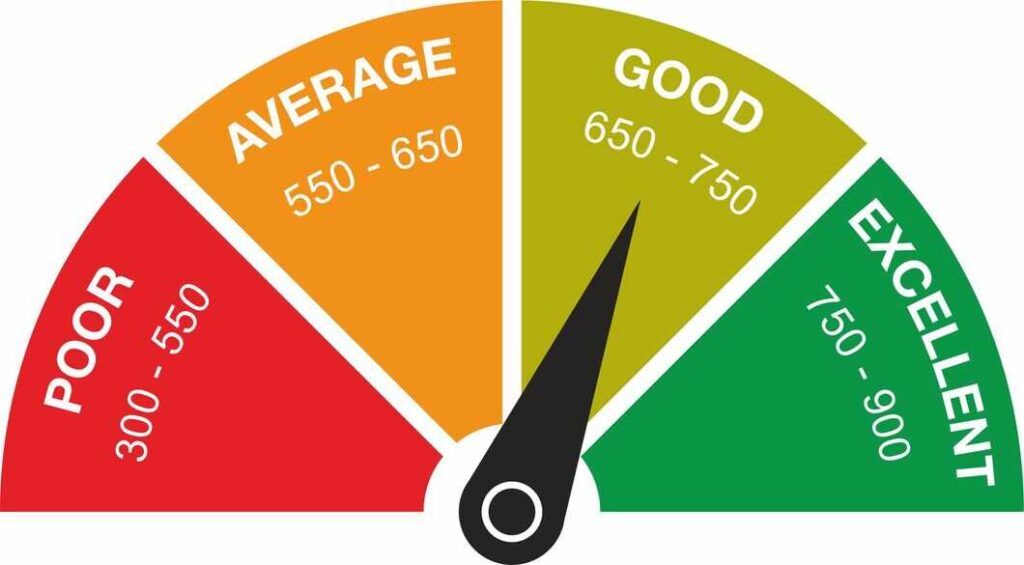
A healthy credit score is becoming increasingly important in Kenya’s financial system. Today, lenders, SACCOs, digital platforms, and some employers review CRB records before approving applications.
A poor credit score or negative listing can affect:
- Personal loans
- Business financing
- Mortgage approvals
- Asset finance applications
- Employment opportunities
- Credit card eligibility
Maintaining a clean repayment record, borrowing responsibly, and monitoring your CRB profile regularly can protect your long-term financial stability.
How to Avoid Common Credit Mistakes
To maintain a healthy financial profile:
- Repay all loans on time
- Avoid unnecessary borrowing
- Monitor your CRB report regularly
- Avoid guaranteeing risky loans
- Limit multiple loan applications
- Build an emergency savings fund
- Borrow mainly for productive purposes
Avoiding common credit mistakes today can improve your credit score, protect you from a negative listing, and increase your chances of accessing affordable financing in the future.
Jefferson Wachira is a writer at Africa Digest News, specializing in banking and finance trends, and their impact on African economies.