How Airtel Money and M-Pesa have Become the New Battleground for Visa and Mastercard

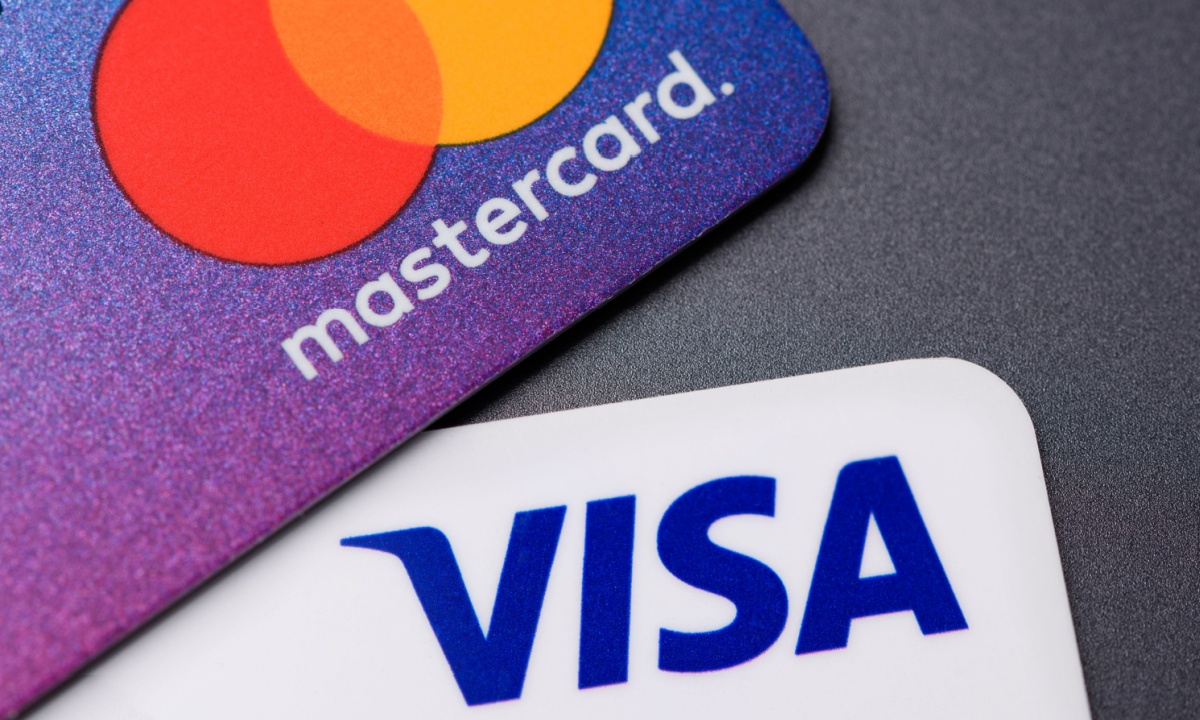
Airtel’s rollout of its Mastercard-backed Global Pay virtual card across key African markets is intensifying a high-stakes contest between the world’s two dominant card networks for control of the continent’s booming digital commerce.
Rather than battling primarily through traditional bank-issued plastic, Visa and Mastercard are using Africa’s largest mobile-money platforms as proxies to reach hundreds of millions of unbanked and underbanked consumers.
Safaricom’s M-Pesa has locked in Visa. Airtel Money has aligned with Mastercard under a long-term exclusive framework. The result is a structural fight over the “exit ramps” that connect closed-loop mobile wallets to the global payments system.
Mobile Money as the Real Rails
Card penetration and formal banking remain low across much of Africa. Mobile money — M-Pesa, Airtel Money, MTN MoMo, Orange Money and others — has become the primary infrastructure for retail payments, savings and, increasingly, credit.
The high-margin opportunity lies in linking those wallets to international e-commerce, streaming services, cloud platforms, digital advertising and travel. Whoever embeds the seamless virtual card wins the interchange, foreign-exchange revenue and long-term customer relationship.
Visa struck first in Kenya with M-Pesa GlobalPay, launched in 2022. In the year ended March 2026 the product recorded roughly 316,500 active users, 8.5 million transactions and about KES 12 billion in value.
The partnership has deepened through payment-facilitator status, Fuliza overdraft integration and sustained marketing.
Safaricom’s roughly 89% share of Kenya’s mobile-money market and its expanding regional footprint give Visa a powerful beachhead in the continent’s most sophisticated digital-payments market.
Mastercard responded with a more continental approach. In 2021 it took a minority equity stake of approximately 3.75–4% in Airtel Mobile Commerce for $100 million as part of a broader commercial agreement that includes a 10-year card partnership.
Airtel Money Global Pay, a classic virtual card number funded directly from the Airtel Money wallet with no bank account required, began rolling out in 2025 in Uganda, Tanzania, Zambia and other markets.
Kenya, the Democratic Republic of Congo and Gabon were next on the list as of early October 2026. More than 875,000 cards had already been issued.
Strategic Stakes
The contest is about more than transaction volume. International digital payments generate higher-margin interchange and FX revenue than domestic peer-to-peer or merchant transfers.
Early embedding of a trusted virtual card raises switching costs for users. Partnerships with dominant local telcos also provide regulatory and political cover in markets sensitive to data sovereignty and central-bank oversight.
The pattern is not limited to these two relationships. Mastercard has pursued stakes and deep partnerships with MTN, while Visa has worked with Orange Money and others.
Chinese super-apps and pure fintechs are attacking from different angles with cheaper rails. Yet the Visa–Mastercard duel remains the clearest proxy war: two global card networks racing to monetize Africa’s mobile-money success without waiting for traditional banking and physical card issuance to catch up.