How M-Pesa Will Hide Phone Numbers in Till, PayBill, and Peer-to-Peer Transactions

Safaricom PLC has received regulatory approval from the Central Bank of Kenya (CBK) to implement a data-minimization feature on M-Pesa, the country’s leading mobile money platform.
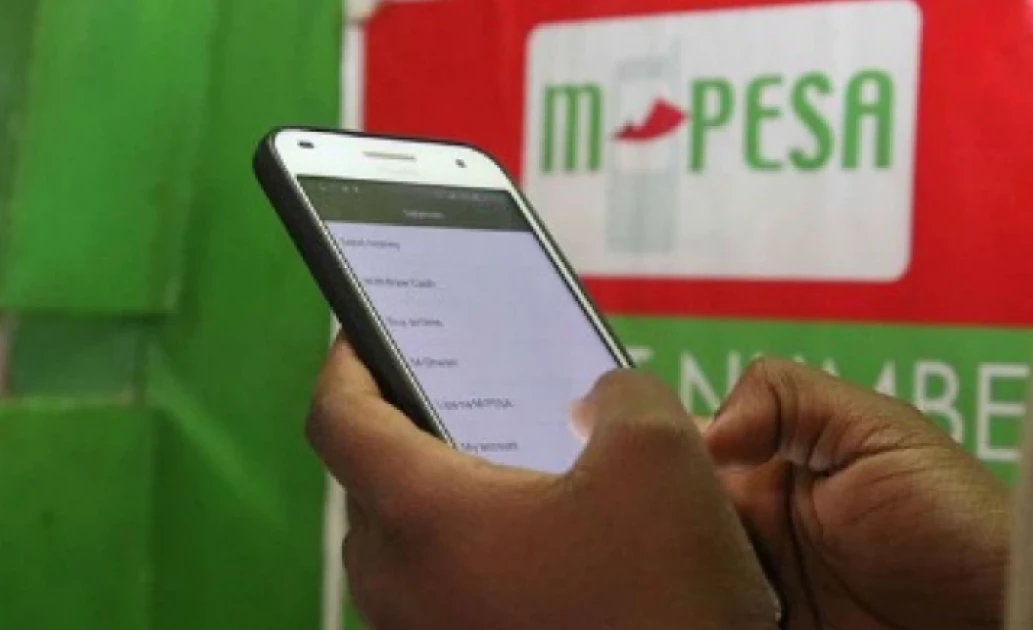
The feature will conceal customers’ phone numbers during Till, PayBill, and peer-to-peer (P2P) transactions, addressing long-standing privacy concerns tied to everyday payments.
The initiative targets a gap in which phone numbers function as both identifiers and key data points, exposing users to risks such as unsolicited marketing, profiling, and social-engineering attacks.
Key Features of Number Masking
- Partial Visibility: In merchant Till and PayBill transactions, only a portion of the customer’s phone number will be visible, for instance, 0722XXXXXX.
- Restricted Names: In some flows, only the payer’s first name will appear to the recipient.
- Consent Mechanism: Merchants requiring full phone numbers for legitimate purposes, such as delivery coordination or order reconciliation, must request it through the system. Full disclosure occurs only with explicit customer consent.
- Expanded Scope: Previously limited to the Pochi la Biashara service, the feature now extends to standard merchant transactions and P2P transfers.
Regulatory and Legal Context
The masking initiative aligns with Kenya’s Data Protection Act 2019, which requires organizations to collect and share only the data necessary for service delivery. CBK has also directed Safaricom to conduct public awareness campaigns before the feature’s full rollout.
The feature, by limiting exposure of phone numbers, aims to reduce fraud, spam, and social engineering attempts, where scammers exploit transaction details to target victims.
Implications for Merchants
Merchants are encouraged to confirm payments through official channels, such as the M-Pesa Business App, USSD codes (e.g., *334#), or integrated point-of-sale systems, rather than relying on SMS confirmations displayed on customer phones.
This reduces legal exposure for small traders who might otherwise inadvertently collect sensitive data in violation of privacy laws.
While the feature enhances privacy, it has defined functional and regulatory limits:
- Merchant Request & Consent: Masking is not absolute. Full phone numbers can be accessed for legitimate reasons, only with explicit consent.
- Transaction Types: The rollout focuses on Lipa Na M-Pesa transactions and P2P transfers. High-level account actions still require valid identification.
- Regulatory Oversight: Safaricom must maintain full, unmasked records for Anti-Money Laundering (AML) and Know Your Customer (KYC) compliance. Law enforcement and CBK retain access upon legal request.
- Monetary Limits: Masking applies to all transaction amounts, from KSh 10 to the KSh 250,000 per-transaction cap.
- System Integration: Third-party developers using M-Pesa APIs will receive hashed identifiers rather than raw numbers, ensuring payment reconciliation without exposing customer data.
M-Pesa Usage Statistics
In the financial year ending March 31, 2025 (FY25), Safaricom processed a total of 37.15 billion M-Pesa transactions, supported by 35.82 million one-month active users.
Merchant transactions, including Till (Lipa Na M-Pesa) and PayBill payments, accounted for 3.1 billion transactions, with 2.0 billion through Till and 1.1 billion via the Pochi La Biashara service.
The remaining volume comprised peer-to-peer transfers, agent transactions, and utility payments, reflecting the platform’s broad use across everyday financial activities in Kenya.
Jefferson Wachira is a writer at Africa Digest News, specializing in banking and finance trends, and their impact on African economies.