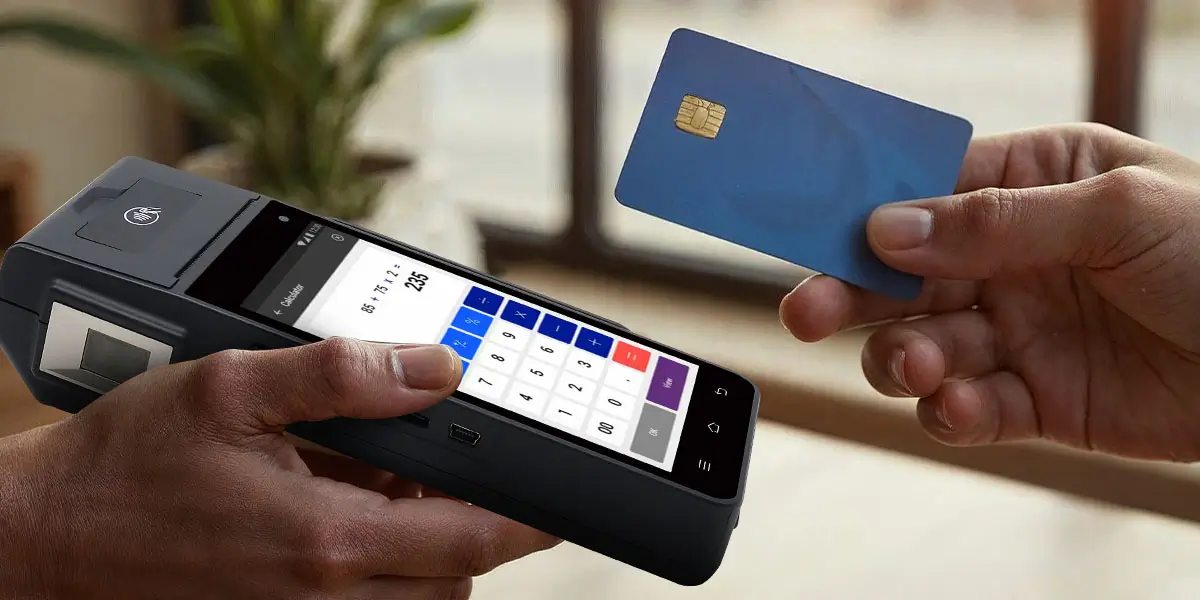
The Role of POS Machines in Retail Growth in Kenya

Point of Sale (POS) machines have become a core part of retail operations in Kenya as electronic payments and multi-channel selling expand. What began as basic cash-handling equipment has evolved into integrated systems that manage payments, inventory, reporting, and customer data across retail formats ranging from informal shops to national supermarket chains.
The shift has been driven by changing consumer payment habits, rising transaction volumes, and the need for tighter operational control. Mobile money, debit cards, and digital receipts are now standard expectations at checkout, placing POS systems at the centre of how retailers process sales and manage daily operations.
How POS Systems Work
A POS system combines hardware and software to process transactions and record sales data in real time. The POS machine hardware typically includes a main terminal or tablet, a payment reader for cards and mobile wallets, a barcode scanner, a receipt printer, and a cash drawer where cash transactions are accepted.
The software layer manages transaction processing, inventory updates, and reporting. When a product is scanned or selected, the system calculates the final price, applies taxes or discounts, and submits electronic payments for authorisation where applicable.
Once a transaction is approved, inventory records update automatically and a receipt is generated.
POS System Models Used by Retailers
Retailers in Kenya use several POS configurations depending on scale and operating environment. Large supermarkets often rely on fixed, on-premise systems supported by local servers. Small businesses and service providers increasingly use mobile POS solutions built on smartphones or tablets with attached payment readers.
Cloud-based POS platforms are used by retailers with multiple outlets, allowing centralised monitoring of sales and inventory. Self-service kiosks have also emerged in specific segments such as fast-food outlets, enabling customers to complete transactions without cashier assistance.
Operational Impact on Retail Businesses
POS systems streamline daily operations by reducing reliance on manual processes. Automated checkout shortens transaction times and limits pricing errors, improving sales flow during peak periods. Inventory levels update with each sale, giving retailers real-time visibility into stock movement and helping to manage restocking decisions more accurately.
Transaction records generated by POS systems support tighter internal controls by providing consistent audit trails. This reduces losses linked to incomplete records and improves oversight in cash-handling environments.
Automated reporting also simplifies accounting tasks by producing daily and periodic summaries of sales, margins, and outlet performance, particularly for businesses operating more than one location.
Effects on Customer Experience and Retention
For customers, POS adoption has increased payment flexibility and reduced friction at checkout. Retailers now routinely accept cash, cards, and mobile money payments through a single system, allowing transactions to be completed without switching payment platforms.
Faster processing reduces queues, while digital receipts provide an alternative to paper documentation. Many POS platforms also store transaction histories, allowing retailers to manage loyalty programmes, vouchers, and repeat customer offers in a structured manner, without relying on manual tracking.
Supporting Business Growth and Expansion
POS systems generate structured sales data that retailers use to guide operational decisions. Information on peak trading hours, product performance, and transaction volumes supports adjustments to pricing, inventory planning, and product selection.
As businesses expand, POS platforms can scale to support higher transaction volumes, additional users, and new outlets. Cloud-based systems allow owners to monitor performance remotely and integrate sales data with accounting or e-commerce platforms, enabling coordinated management of physical and online sales channels.
Jefferson Wachira is a writer at Africa Digest News, specializing in banking and finance trends, and their impact on African economies.