Stanbic Kenya to Lead Safaricom’s KSh 40 Billion Domestic MTN Programme

Read Time:2 Minute, 32 Second
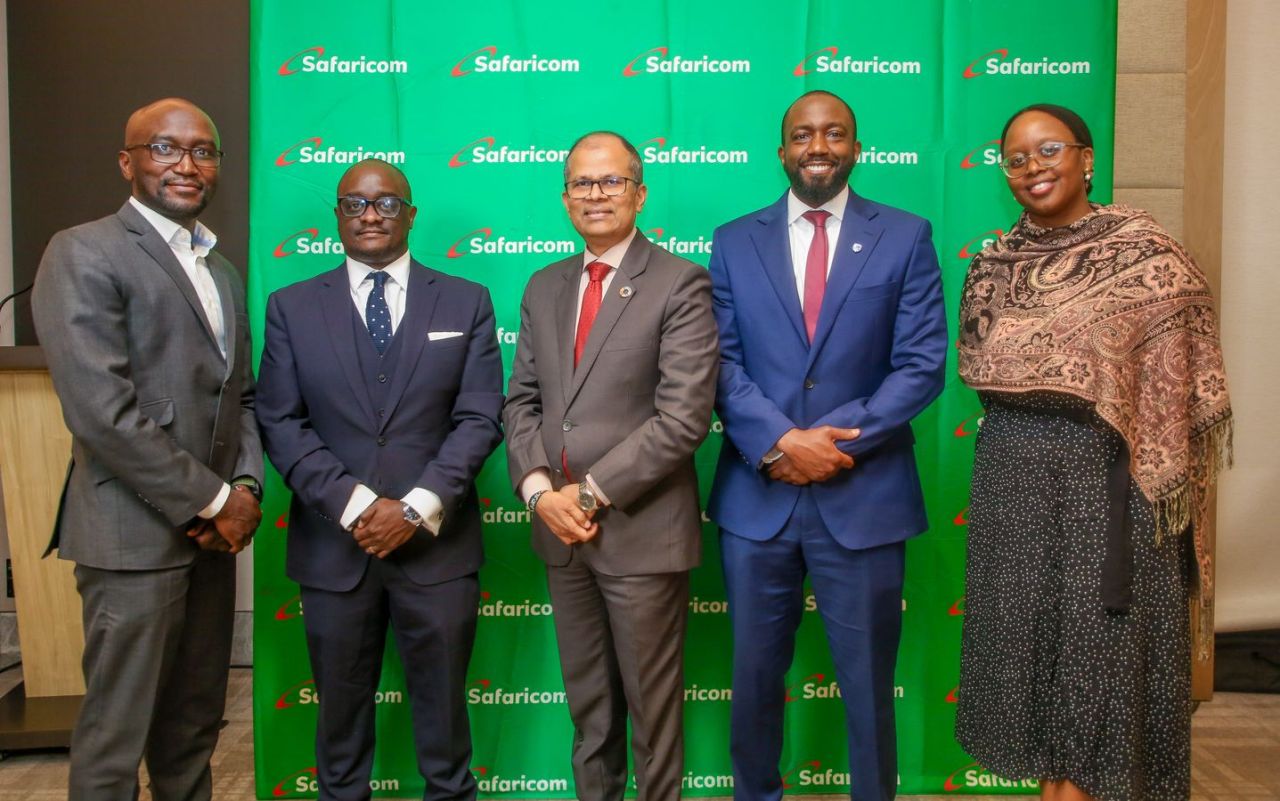
Stanbic Bank Kenya has partnered with Safaricom PLC as Joint Lead Advisor, Sponsoring Broker, Placing Agent, and Receiving Bank for Safaricom’s KSh 40 Billion Domestic MTN Programme.
Approved by the Capital Markets Authority (CMA) on November 7, 2025, this initiative represents the largest corporate debt programme ever greenlit in Kenya, surpassing previous issuances such as East African Breweries’ KSh 20 billion programme.
The programme allows Safaricom to issue a mix of green, social, or sustainability-linked notes over the medium term, providing flexible funding to support the company’s goal of becoming Africa’s leading purpose-driven tech firm by 2030.
The inaugural Tranche 1, a five-year fixed-rate Green Note, opened on November 25, 2025, targeting KSh 15 billion with a KSh 5 billion greenshoe option to capture excess investor demand.
The notes carry a tax-exempt annual coupon of 10.40%, paid semi-annually, and mature in 2030, offering investors stable, inflation-hedged returns in Kenyan shillings.
This structure also helps Safaricom align its liabilities with local revenue streams, reducing exposure to foreign exchange risks from prior USD-denominated loans linked to its Ethiopia expansion.
Minimum investments start at KSh 50,000 with increments of KSh 10,000, and is accessible through multiple channels including USSD (483810#), the portal (safaricombond.e-offer.app), or licensed brokers such as Dyer & Blair.
Allotment is scheduled for December 8, with the Nairobi Securities Exchange listing set for December 16, 2025.
Stanbic Bank Kenya’s comprehensive role covers advisory on green certification, collection of proceeds, and placement alongside partners SBG Securities and Standard Chartered, ensuring seamless execution of the programme.
Proceeds from the programme will be exclusively used to finance or refinance “eligible green projects” under Safaricom’s Sustainable Finance Framework, verified by Sustainalytics.
Eligible projects include renewable energy initiatives such as solar-powered base stations to reduce network emissions, energy efficiency measures that address Safaricom’s power-related operational expenditure, clean transport solutions, and climate-resilient infrastructure including fixed broadband rollouts.
As Kenya’s biggest green bond yet, and the first to link mobile subscriptions, this programme channels domestic capital into low-carbon growth.
Tax exemption on interest payments further enhances yields, attracting institutional investors, pension funds, saccos, and retail savers seeking stable returns in Kenyan shillings.
In 2019, Stanbic Bank Kenya orchestrated Kenya’s first corporate green bond for Acorn Holdings, a KSh 4.3 billion issuance certified by the Climate Bonds Initiative, funding eco-friendly student housing for 5,000 beds in Nairobi.
The bond, rated B1 by Moody’s, drew a diverse investor base and helped establish East Africa’s green finance market.
In 2023, Stanbic further underwrote Tanzania’s first green bond, the Kijani Bond, raising TZS 40 billion to fund solar energy projects and sustainable agriculture.
The bond was oversubscribed 429% with IFC taking 40% and was listed on both the Dar es Salaam and London stock exchanges.
Jefferson Wachira is a writer at Africa Digest News, specializing in banking and finance trends, and their impact on African economies.


Happy
0 %

Sad
0 %

Excited
100 %

Sleepy
0 %

Angry
0 %

Surprise
0 %
 0
0
 0
0


Average Rating