How VASPs Manage User Verification Requirements in Kenya

Read Time:2 Minute, 28 Second
Kenya’s digital asset sector has changed significantly with the introduction of the Virtual Asset Service Providers (VASP) Act, 2025, effective November 4, 2025. The Act, overseen by the Central Bank of Kenya (CBK) and the Capital Markets Authority (CMA), regulates all entities handling virtual assets such as cryptocurrencies.
These entities, commonly called VASPs in Kenya, include exchanges, digital wallets, custodians, and transfer services. A key feature of the law is strict user verification, which aims to protect users, prevent fraud, and reduce risks associated with anonymous digital transactions.
Under the Act, VASPs operating in Kenya must follow User Verification Requirements for virtual assets in Kenya by applying Know Your Customer (KYC) and Anti-Money Laundering (AML) rules.
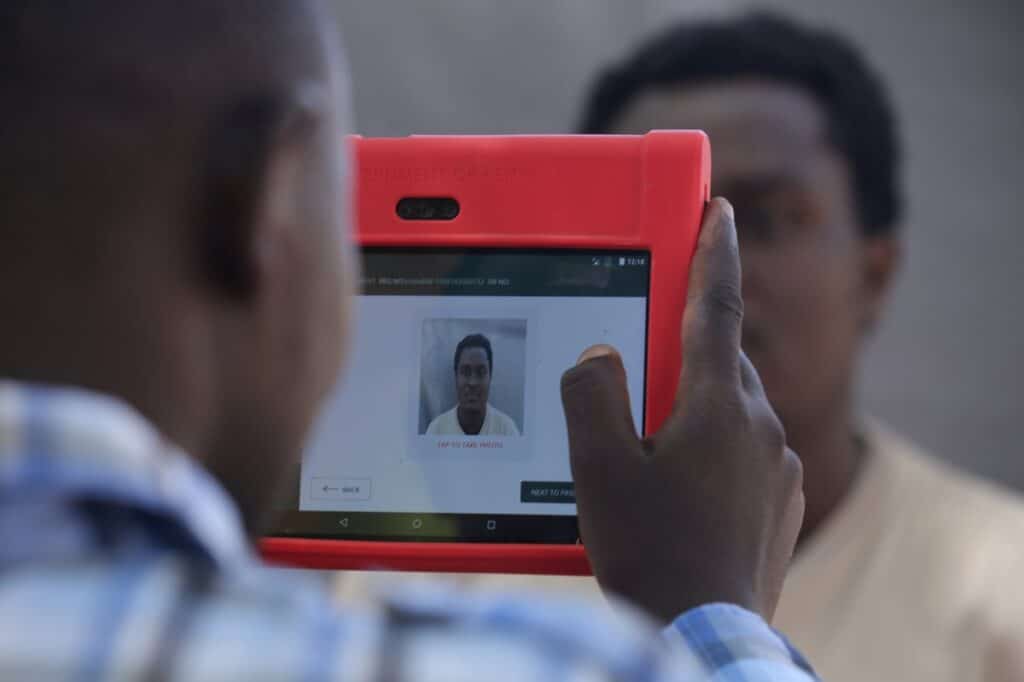
This means every user must have their identity checked before using the platform. Verification involves submitting government-issued IDs such as a national ID or passport, proof of address, and biometric data like facial recognition.
High-risk clients, including politically exposed persons (PEPs) or individuals from sanctioned countries, undergo Enhanced Due Diligence (EDD), which includes checking where their money comes from and monitoring their transactions regularly.
Transaction monitoring is another important tool. VASPs use blockchain analytics to track suspicious activity, such as fast layering of funds or links to illegal addresses.
Transactions above KSh 500,000, as well as other unusual activity, must be reported to the Financial Reporting Centre (FRC) within 24 hours. All records are kept for at least five years.
Platforms often use automated digital tools and APIs that connect with Kenya’s Huduma Namba digital ID system, allowing faster and more reliable verification.
The focus on identity verification addresses the risks of pseudonymous crypto transactions. Cryptocurrencies can be transferred without revealing the sender or receiver, which makes them vulnerable to money laundering, terrorist financing, and proliferation financing.
Before regulation, peer-to-peer trades often went unchecked, exposing users to scams and enabling illicit flows estimated at $2 billion annually in East Africa.
By making VASPs reporting institutions under the Proceeds of Crime and Anti-Money Laundering Act (POCAMLA), the law ensures that crypto does not undermine Kenya’s financial system.
At the same time, VASPs in Kenya are working to make verification user-friendly. Many platforms use eKYC tools to complete verification in minutes via mobile phones instead of days of paperwork. Solutions like VOVE ID and Dojah use AI to automatically check beneficial ownership, verify liveness, and confirm user location.
Some exchanges, like Yellow Card, offer tiered verification: low-volume traders can access basic services without biometrics, while full trading privileges require one-time EDD checks.
Features like progress trackers, multilingual support in Swahili and English, and instant feedback reduce onboarding abandonment by 40%.
This approach, combining strict compliance with smooth user experience, helps Kenya’s VASPs meet global standards, protect investors, and encourage growth in the digital asset market.
Jefferson Wachira is a writer at Africa Digest News, specializing in banking and finance trends, and their impact on African economies.


Happy
0 %

Sad
0 %

Excited
0 %

Sleepy
0 %

Angry
0 %

Surprise
0 %
 0
0
 0
0


Average Rating