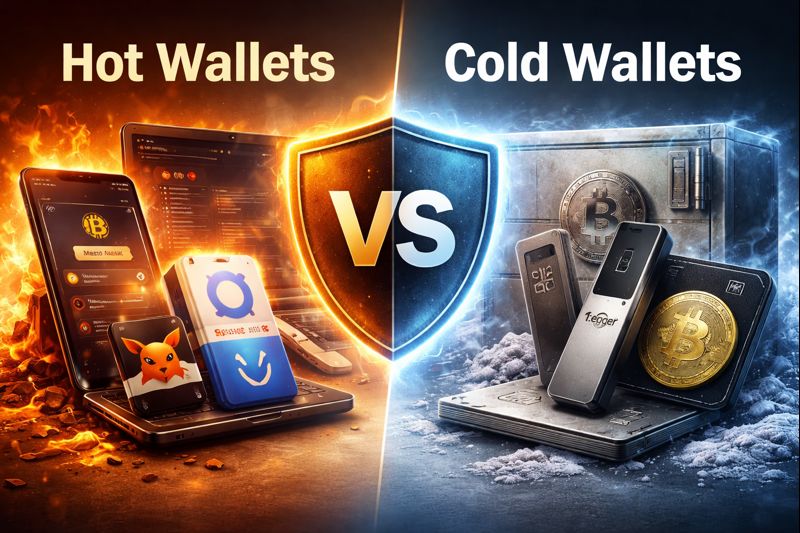
Are Hot Wallets Riskier Than Cold Wallets
A hot wallet is a cryptocurrency wallet that stays connected to the internet, storing private keys (the codes needed to access and authorize transactions) on...


Who Really Controls Your Crypto Assets?
In cryptocurrency, ownership is not defined by whose name appears on an account, but by who holds the private keys. The commonly used phrase “not...
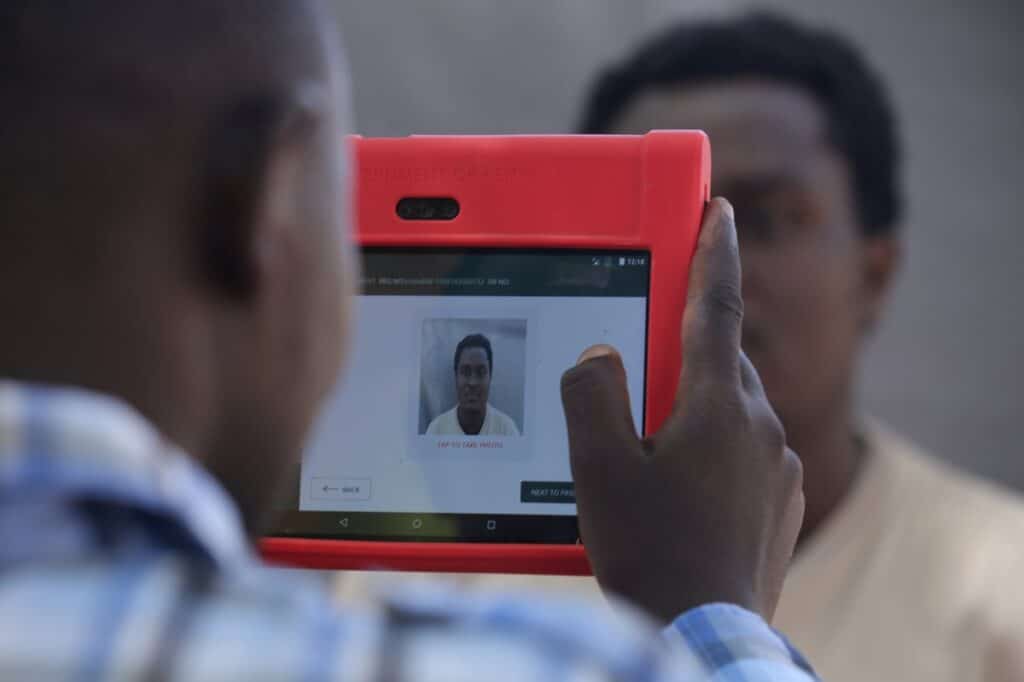
How VASPs Manage User Verification Requirements in Kenya
Kenya’s digital asset sector has changed significantly with the introduction of the Virtual Asset Service Providers (VASP) Act, 2025, effective November 4, 2025. The Act,...

The Growth of Crypto-Backed and Algorithmic Stablecoins
The stablecoin market has grown quickly, moving beyond traditional models like USDT and USDC, which are backed by fiat currencies such as the US dollar....

How a Public Ledger Works and Why It Matters
Ever wondered how digital money moves safely without banks? The answer lies in a public ledger, a shared, tamper-proof record that anyone can access. Public...

What Virtual Assets Are and How They Are Classified
Virtual assets are digital representations of value that can be traded, transferred, or stored electronically. According to frameworks like the Financial Action Task Force (FATF),...

What Cryptocurrency Is and How It Works in Kenya
Cryptocurrency in Kenya, commonly known as “crypto,” is a type of digital or virtual currency that relies on cryptography for security. Unlike the Kenyan shilling,...

How Blockchain Technology Processes Transactions
Blockchain technology in Kenya is gaining wider use as organisations and innovators adopt secure digital systems to record, verify, and store data. The technology operates...