Are Hot Wallets Riskier Than Cold Wallets

Read Time:2 Minute, 20 Second
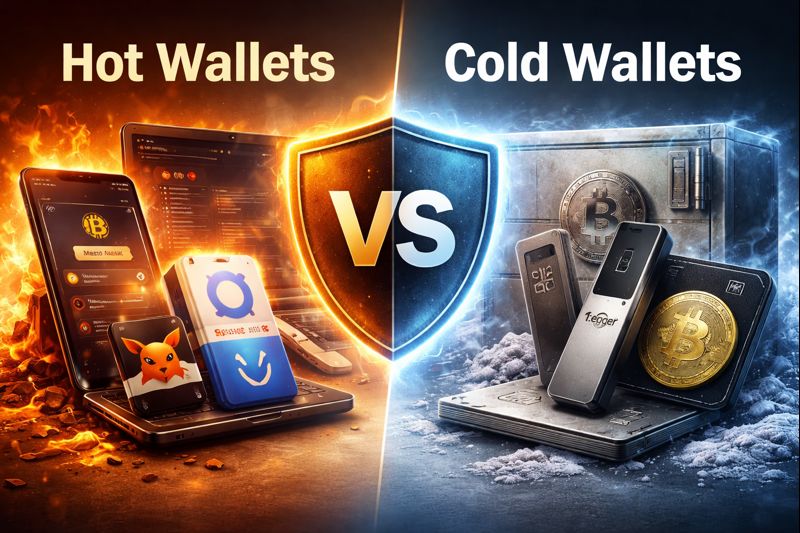
A hot wallet is a cryptocurrency wallet that stays connected to the internet, storing private keys (the codes needed to access and authorize transactions) on online devices or servers.
Common examples include mobile apps like Trust Wallet and MetaMask, desktop programs such as Exodus, web wallets, and exchange-hosted wallets on platforms like Coinbase or Binance.
The advantage of hot wallets is speed and convenience. Users can send, receive, or swap cryptocurrencies almost instantly, interact with decentralized applications (dApps), and participate in decentralized finance (DeFi) protocols like Uniswap for staking or lending.
Hot wallets often feature user-friendly interfaces, two-factor authentication (2FA), biometric logins, and integration with blockchain networks for real-time activity.
However, being online exposes hot wallets to significant risks. Hackers can steal private keys through malware, phishing, or compromised devices. Notable incidents in 2024 and 2025, including Phemex losing $73–85 million, highlight how billions in crypto have been lost due to vulnerabilities in hot wallets.
For this reason, hot wallets are generally recommended for holding small amounts intended for daily use rather than large, long-term storage.
In contrast, a cold wallet, also called cold storage, keeps private keys completely offline. This isolation provides strong protection against online attacks. Cold wallets are usually hardware devices like Ledger Nano X or Trezor Model T, or non-digital methods like paper wallets with printed QR codes or metal backups.
They generate and store private keys in an air-gapped environment, meaning the keys never touch the internet. To send funds, users sign transactions offline and then broadcast them using a connected device.
The advantage of cold wallets is security. They protect assets from hacking, malware, and unauthorized access.
However, this comes at the cost of convenience. Transactions take longer, and users face risks such as losing the device or the seed phrase, which is a 12–24 word recovery code needed to access funds.
Proper storage of seed phrases, often in fireproof safes, is critical. Modern cold wallets in 2025 include PIN protection, Bluetooth connectivity, and mobile app integration for balance monitoring without exposing private keys.
While hardware wallets can cost between $50–200, they offer non-custodial ownership, meaning users fully control their assets rather than relying on an exchange.
The primary difference between a hot wallet and cold wallet is connectivity. Hot wallets are online, offering speed and convenience but exposing keys to cyber threats. Cold wallets are offline, offering strong protection for large holdings but requiring more effort for transactions.
Experts recommend a hybrid approach, which is keep everyday funds in a hot wallet for quick access, and store the majority of assets in a cold wallet for long-term security.
Jefferson Wachira is a writer at Africa Digest News, specializing in banking and finance trends, and their impact on African economies.


Happy
0 %

Sad
0 %

Excited
0 %

Sleepy
0 %

Angry
0 %

Surprise
0 %
 0
0
 0
0
Add Comment